Beyond the Chores: What a "Modern Approach" to Home Help Actually Means
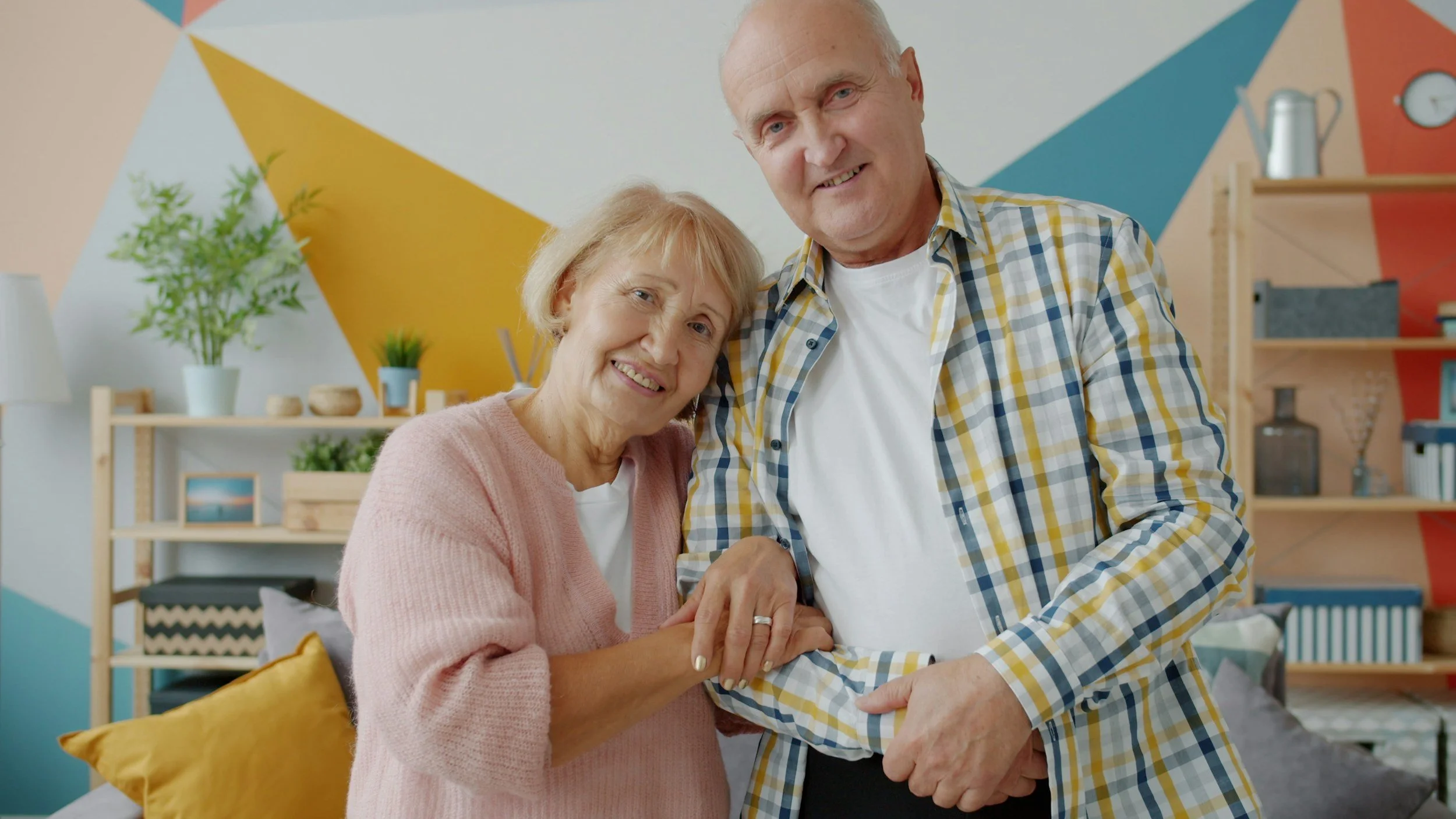
It is not about 'care' in the traditional sense; it is about lifestyle management.
There is a common misconception that asking for help at home signals the "beginning of the end" of independence. But in Gloucestershire, a new wave of support is proving exactly the opposite.
For decades, the options for support have been polarized. On one end, you had domestic cleaners who would polish the floors but might not have the time to stop for a chat. On the other, you had traditional care agencies, often associated with medical needs, uniforms, and rigid 15-minute slots.
But what if you don't fit into either box? What if you are physically capable but just finding the daily grind of laundry and cooking a bit overwhelming?
This is where the modern approach to home help and companionship in Gloucestershire is filling the void. It is not about "care" in the traditional sense; it is about lifestyle management.
The Difference Between "Doing For" and "Doing With"
The traditional model of care is often task-oriented. A worker arrives, completes a list of chores as quickly as possible, and leaves. It is efficient, but it is transactional.
The modern approach flips this dynamic. It focuses on relationship-based support.
In this new model, the goal isn't just to have a clean house; it is to have a vibrant home. A modern home helper might spend an hour gardening with you, rather than just doing it for you. They might help you batch-cook meals for the week while discussing the latest local news. This shift from "service delivery" to "shared activity" preserves dignity and fosters genuine connection.
Why "Who" Matters More Than "What"
If you look at the "Old Way" of home care, the rota dictates the service. You might see three different faces in a single week. This inconsistency makes it impossible to build trust, often leaving families feeling like they are managing a revolving door of strangers.
A modern approach prioritises the match. It recognises that inviting someone into your personal space is a big step. By pairing clients with a consistent, dedicated companion, the dynamic changes. It becomes less about "monitoring" a worker and more about welcoming a friend who happens to be there to help.
Breaking the "Carer" Stigma
Many older adults in the Cotswolds and Gloucestershire resist help because they don't want to be seen as "vulnerable." They worry that hiring a "carer" changes their identity.
This is why the modern approach is so vital. It strips away the clinical associations:
No uniforms: Helpers dress like regular visitors.
No medical jargon: We talk about "outings" and "support," not "service users" and "care plans."
Focus on joy: The visit is as much about the social interaction as it is about the practical tasks.
Promoting Independence, Not Dependence
Perhaps the biggest paradox of modern home help is that getting support actually increases independence.
When you aren't exhausted by the heavy hoovering or stressed about changing the bedsheets, you have the energy to do the things you actually love—whether that's attending a local club, visiting family, or simply reading a book in a tidy, calm environment.
The Shift in Gloucestershire
We are seeing a cultural shift across the county. Families are realizing that they don't have to wait for a crisis or a medical diagnosis to get support. They are proactively choosing companionship and home help as a way to future-proof their quality of life.
This isn't about giving up; it's about smart living. It’s about recognizing that a little bit of the right kind of help—delivered by someone you trust—can be the key to staying in your own home, on your own terms, for years to come.